
Now Reading: Pauline Hanson: A Polarizing Force in Australian Politics
-
01
Pauline Hanson: A Polarizing Force in Australian Politics

Introduction
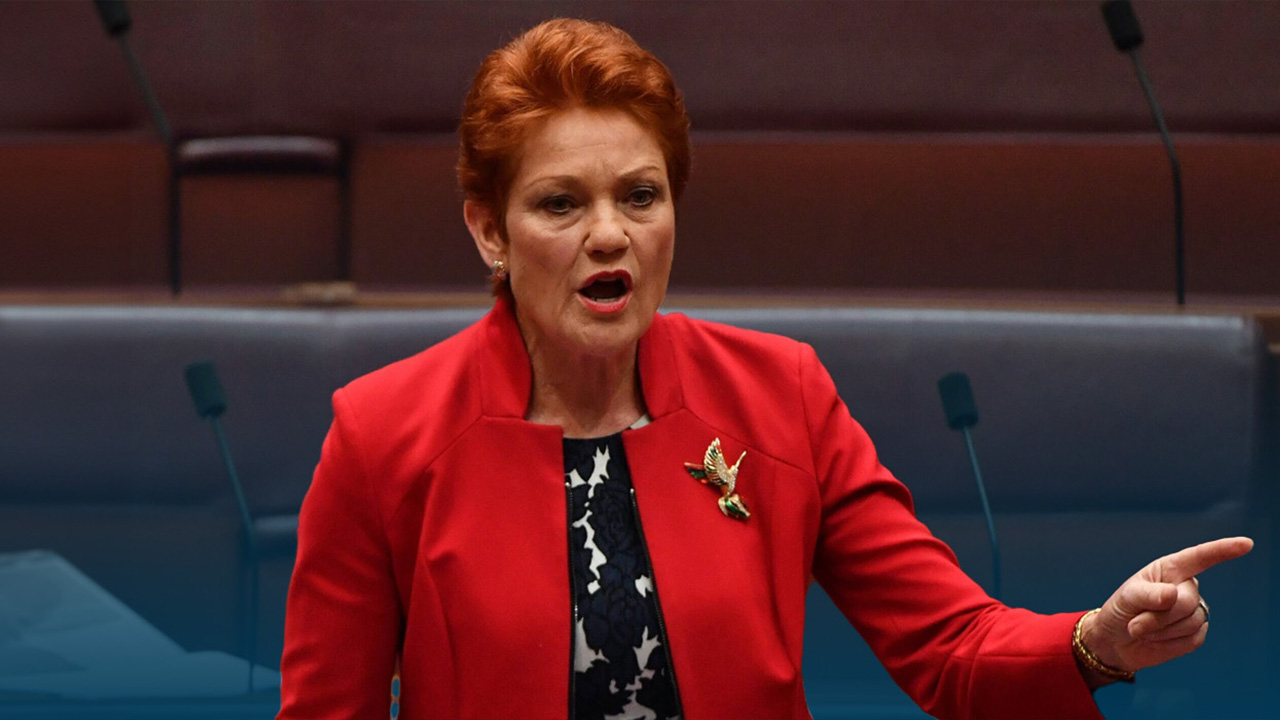
Pauline Hanson is one of the most controversial and enduring figures in Australian political history. Known for her outspoken views and populist rhetoric, Hanson has significantly influenced national debates on immigration, identity, and economic policy. Her career illustrates the complexities of democratic politics in an era marked by polarization and shifting public sentiment.
Early Life and Entry into Politics
Born on May 27, 1954, in Brisbane, Queensland, Hanson’s early life was shaped by working-class experiences. Before entering politics, she ran a fish and chip shop, which later became central to her public persona as a “common-sense” representative of ordinary Australians.
Hanson first gained national attention in 1996 when she was elected to the House of Representatives as an independent candidate after being disendorsed by the Liberal Party. Her maiden speech, which criticized multiculturalism and immigration policies, sparked widespread debate and controversy.
Formation of One Nation
In 1997, Hanson founded the One Nation party, positioning it as a vehicle for populist and nationalist policies. The party quickly gained traction, particularly among voters dissatisfied with mainstream political parties.
One Nation’s platform focused on issues such as reducing immigration, opposing globalization, and advocating for protectionist economic measures. While critics accused the party of promoting xenophobia, supporters viewed it as a necessary challenge to political orthodoxy.
Political Challenges and Resilience
Hanson’s career has been marked by both significant setbacks and notable comebacks. She lost her parliamentary seat in 1998, faced legal challenges, and experienced periods of political marginalization. Despite these obstacles, she remained a persistent figure in public discourse.
Her return to the Senate in 2016 demonstrated her enduring appeal among a segment of the electorate. Hanson’s ability to re-enter politics after years of adversity highlights her resilience and the continued relevance of her political messaging.
Policy Influence and Public Reception
Hanson’s influence extends beyond electoral success. She has played a key role in shaping national conversations on immigration, national identity, and economic inequality. Her rhetoric often resonates with voters who feel overlooked by traditional political institutions.
However, her approach has also drawn significant criticism for its divisiveness. Opponents argue that her policies risk undermining social cohesion, while supporters contend that she gives voice to legitimate concerns.
Legacy and Significance
Pauline Hanson’s legacy is deeply intertwined with the rise of populism in Western democracies. She represents both the opportunities and challenges of political systems that allow outsider voices to gain prominence.
Her career underscores the importance of understanding voter dissatisfaction and the ways in which political narratives can mobilize support across diverse demographics.
Conclusion
Pauline Hanson remains a defining figure in Australian politics—one whose impact cannot be ignored, regardless of one’s perspective. Her career offers valuable insights into the dynamics of modern political engagement and the enduring power of populist movements.