
Now Reading: Joel Edgerton: A Multifaceted Architect of Modern Cinema
-
01
Joel Edgerton: A Multifaceted Architect of Modern Cinema

Introduction
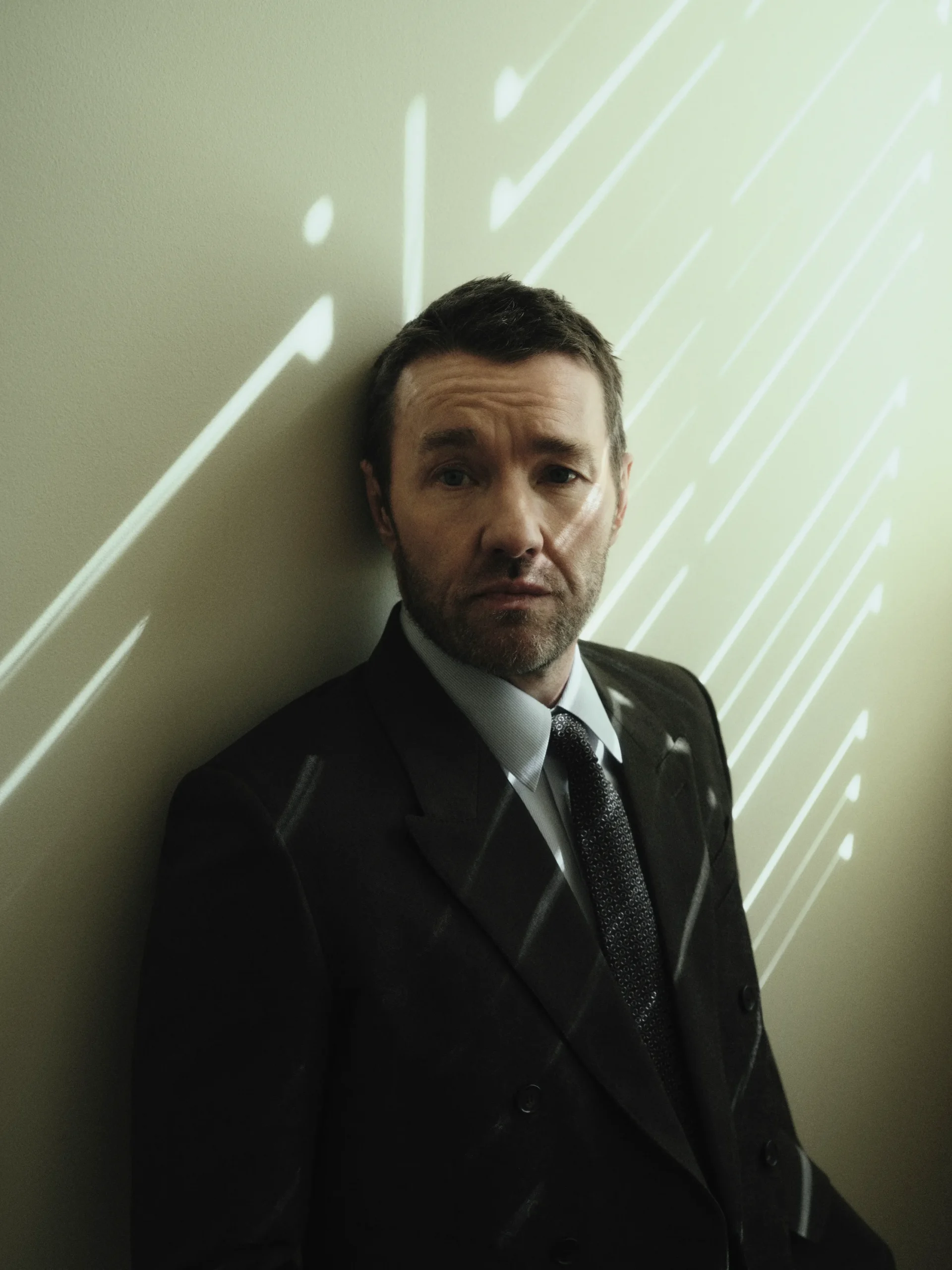
Joel Edgerton has established himself as one of the most versatile and intellectually driven figures in contemporary cinema. Known for his ability to seamlessly transition between acting, writing, directing, and producing, Edgerton represents a rare breed of artist whose work reflects both creative ambition and technical precision. His career trajectory demonstrates not only longevity but also a consistent evolution toward more complex and socially relevant storytelling.
Early Life and Career Foundations
Born on June 23, 1974, in Blacktown, New South Wales, Australia, Edgerton developed an early interest in performance and storytelling. He studied at the Nepean Drama School at the University of Western Sydney, where he refined his craft and began collaborating with like-minded creatives. His early work in Australian television and film laid a solid foundation, particularly through projects that demanded emotional nuance and character depth.
Edgerton gained initial recognition through roles in Australian productions such as The Secret Life of Us, but it was his involvement in international cinema that expanded his global profile.
Breakthrough and International Recognition
Edgerton’s breakthrough came with his role as Owen Lars in the Star Wars prequel trilogy, introducing him to a global audience. However, unlike many actors who rely on franchise fame, Edgerton deliberately pursued diverse roles to avoid typecasting.
His performances in films such as Warrior (2011), Zero Dark Thirty (2012), and The Great Gatsby (2013) showcased his ability to embody complex, often morally ambiguous characters. Particularly notable was his role in Loving (2016), where he portrayed Richard Loving with restrained emotional power, earning critical acclaim for his understated yet deeply affecting performance.
Transition to Filmmaking
Edgerton’s creative ambitions extend beyond acting. His directorial debut, The Gift (2015), was widely praised for its psychological depth and narrative sophistication. The film demonstrated his ability to construct tension and explore themes of guilt, memory, and identity.
He further cemented his reputation as a filmmaker with Boy Erased (2018), a deeply personal and socially significant film addressing conversion therapy. The project highlighted his commitment to storytelling that engages with pressing societal issues, combining emotional resonance with ethical inquiry.
Artistic Philosophy and Style
What distinguishes Edgerton is his dedication to character-driven narratives. His work often explores themes such as masculinity, morality, trauma, and redemption. He approaches storytelling with a balance of emotional authenticity and structural discipline, allowing audiences to engage deeply with the characters’ internal conflicts.
Unlike many contemporaries, Edgerton avoids spectacle for its own sake. Instead, he prioritizes narrative integrity and psychological realism, which has earned him respect among critics and industry professionals alike.
Industry Impact and Legacy
Edgerton’s influence extends beyond his own projects. As a member of the Blue-Tongue Films collective, he has supported emerging Australian talent and contributed to a collaborative filmmaking culture.
His career serves as a model for artists seeking to maintain creative control while navigating commercial cinema. By consistently choosing projects that challenge both himself and his audience, Edgerton has positioned himself as a significant voice in modern filmmaking.
Conclusion
Joel Edgerton exemplifies the modern cinematic auteur—an artist who not only participates in storytelling but actively shapes its direction. His commitment to authenticity, coupled with his willingness to tackle complex themes, ensures that his work will remain relevant in an ever-evolving industry.